Mobility Scooters: A Comprehensive Guide to Enhanced Independence
In the rapidly aging worldwide population, the need for assistive gadgets that boost mobility and independence has never ever been more vital. click the next document , a popular choice amongst people with mobility issues, have actually emerged as a vital tool in preserving an active and satisfying way of life. This detailed guide checks out the world of mobility scooters, their advantages, types, and factors to consider for selecting the best design.
What Are Mobility Scooters?
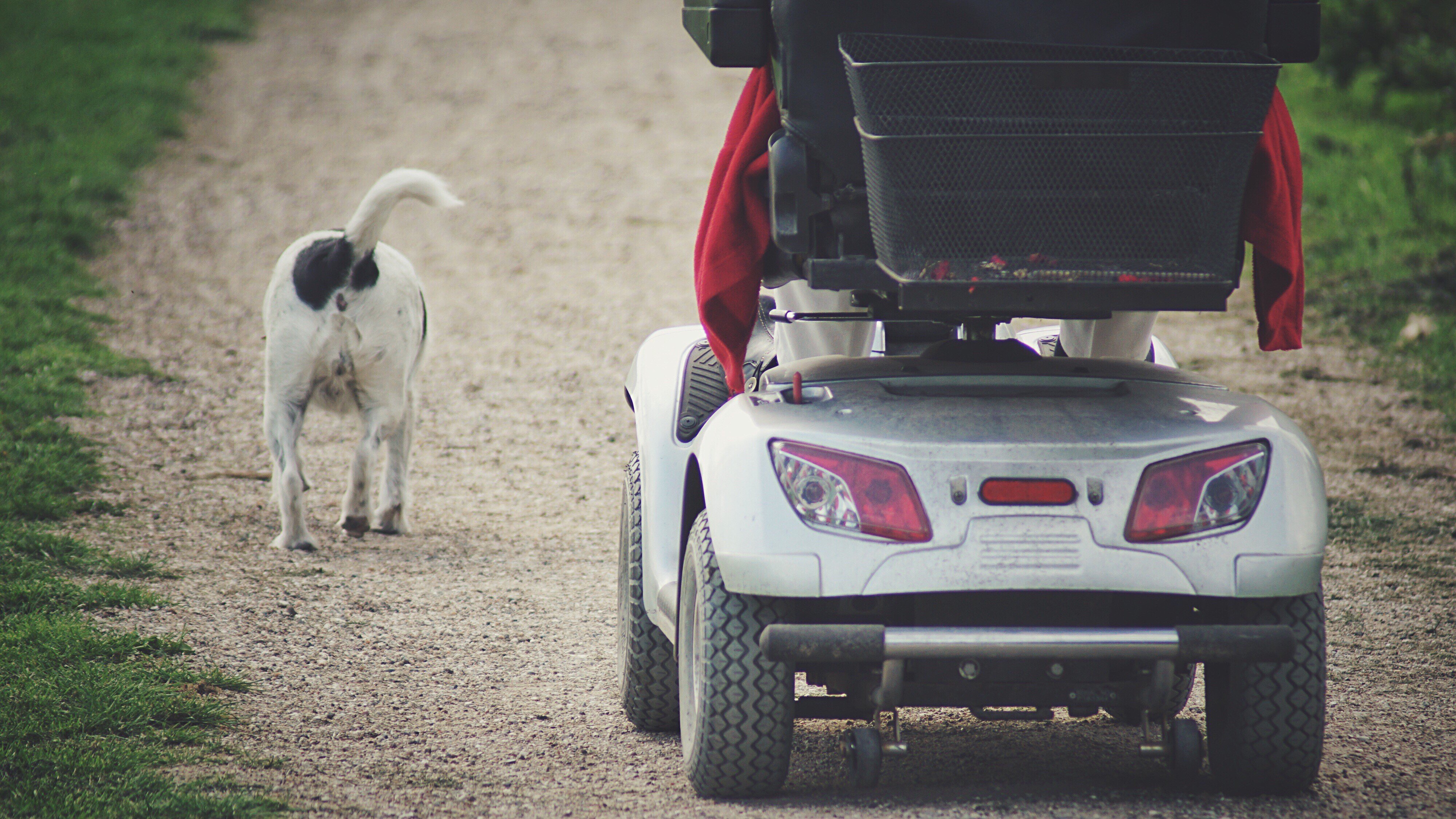
Mobility scooters are motorized vehicles developed to help people with strolling troubles, including those with arthritis, multiple sclerosis, or other conditions that restrict mobility. They provide a comfortable and convenient way to travel short to moderate distances, such as around your home, in the neighborhood, or at shopping mall. Unlike manual wheelchairs, mobility scooters are powered by batteries, making them much easier to operate and less physically demanding.
Advantages of Mobility Scooters
- Enhanced Independence: Mobility scooters empower users to perform everyday activities without counting on others, fostering a sense of autonomy and self-reliance.
- Enhanced Quality of Life: By enabling users to maintain their social and recreational activities, mobility scooters contribute to a greater quality of life.
- Lowered Physical Strain: The motorized operation of scooters decreases the physical effort needed to walk around, decreasing the danger of tiredness and pressure.
- Increased Safety: Features such as seat belts, lights, and horns boost safety, making it much easier to browse through different environments.
- Affordable: Compared to other assistive devices, mobility scooters are often more affordable and might be eligible for insurance protection or federal government aids.
Types of Mobility Scooters
Three-Wheel Scooters
- Design: Compact and nimble, with a smaller sized turning radius.
- Best For: Indoor use and tight areas.
- Pros: Easier to steer in tight spaces, lighter weight.
- Cons: Less stable on uneven surface areas.
Four-Wheel Scooters
- Style: Sturdier and more steady, with a larger base.
- Best For: Outdoor use and rough surface.
- Pros: Greater stability, much better weight distribution.
- Cons: Larger size, less maneuverable in tight areas.
Portable Scooters
- Design: Lightweight and foldable, developed for easy transportation.
- Best For: Travel and portability.
- Pros: Easy to save and transfer in a car or on public transport.
- Cons: Limited speed and range, might be less comfy for extended use.
Heavy-Duty Scooters
- Design: Built to support greater weight capabilities and more rugged use.
- Best For: Users who need a stronger and more durable alternative.
- Pros: High weight capability, robust building and construction.
- Cons: Heavier and bulkier, may be more pricey.
Aspects to Consider When Choosing a Mobility Scooter
Intended Use
- Indoor vs. Outdoor: Consider where the scooter will be utilized most often. Indoor scooters are generally lighter and more compact, while outside scooters are more robust and have a longer range.
- Travel Needs: If you prepare to take a trip with your scooter, a portable design might be preferable.
Weight Capacity
- User Weight: Ensure the scooter can support your weight. Heavy-duty designs are available for users over 300 pounds.
Battery Life and Range
- Range: Check the battery life and variety of the scooter. Longer varieties are perfect for outdoor usage.
- Charging Time: Consider the length of time it takes to charge the battery and whether you can quickly access a charging point.
Convenience and Ergonomics
- Seat: Look for a comfy and adjustable seat that supports your back and offers appropriate cushioning.
- Handlebars: Adjustable handlebars can improve comfort and control.
- Footrests: Ensure the footrests are adjustable and offer adequate area for your feet.
Safety Features
- Brakes: Reliable brakes are important for safety. Try to find scooters with both hand and foot brakes.
- Lights and Horns: These features enhance presence and assist you communicate with others.
- Safety belt: Some designs come with safety belt for added security.
Upkeep and Support
- Service warranty: Check the warranty duration and what it covers.
- Service and Repair: Ensure the maker or retailer uses trustworthy service and repair work options.
Frequently Asked Questions About Mobility Scooters
Q: Are mobility scooters covered by insurance coverage?A: Many insurance policies, consisting of Medicare, may cover the expense of a mobility scooter under specific conditions. It's essential to contact your insurance coverage provider to comprehend what is covered and any required documentation.
Q: How do I maintain my mobility scooter?A: Regular maintenance is essential for the durability and security of your scooter. This includes checking the battery, tire pressure, brakes, and lubricating moving parts. Refer to the user handbook for particular upkeep standards.
Q: Can I utilize a mobility scooter on public transport?A: Many public transport systems, such as buses and trains, are geared up to accommodate mobility scooters. However, it's a good concept to consult the transport service provider ahead of time to ensure your scooter satisfies their size and weight requirements.
Q: Are there any laws or guidelines for utilizing mobility scooters?A: Regulations vary by area. In lots of locations, mobility scooters are categorized as individual mobility devices and are subject to specific guidelines, such as speed limitations and designated paths. Constantly check local regulations to guarantee compliance.
Q: How do I pick the right size mobility scooter?A: Consider your height, weight, and the areas you will be utilizing the scooter in. Test various designs to find one that fits easily and meets your needs.
Mobility scooters are a valuable tool for individuals with mobility obstacles, using a range of gain from enhanced independence to improved quality of life. By understanding the different types of scooters and considering crucial elements such as designated usage, weight capability, and safety functions, users can make an informed choice and delight in the liberty and convenience these gadgets offer. Whether for indoor use, outside adventures, or travel, a well-chosen mobility scooter can substantially improve the life of its user.